
What does “that's fine / that's okay” mean?
"That's fine" and "that's okay / it's okay" often mean "no problem," "it's alright," or "that works." People use them to accept a situation, agree to a small change, or help someone feel less awkward.
When people say it
- Accepting a delay or change: "That's fine. We'll wait."
- Being kind when someone cannot come: "It's okay. We can do it next week."
- Agreeing to a time or plan: "Friday evening? That's fine."
- Making someone feel less embarrassed: "It's okay. I forget mine sometimes."
Tone: Usually neutral and friendly, but "that's fine" can sound a little cold or annoyed if you say it with a flat tone.
See it in a scene
That's fine. We'll wait.
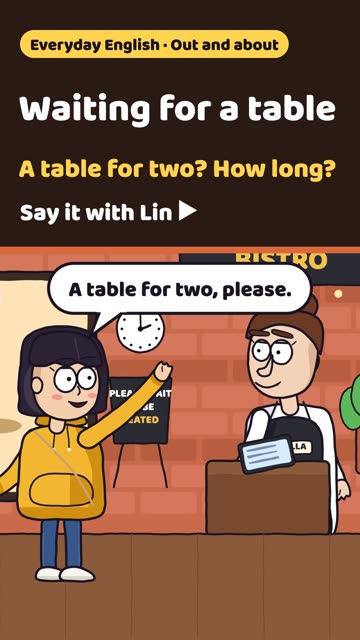
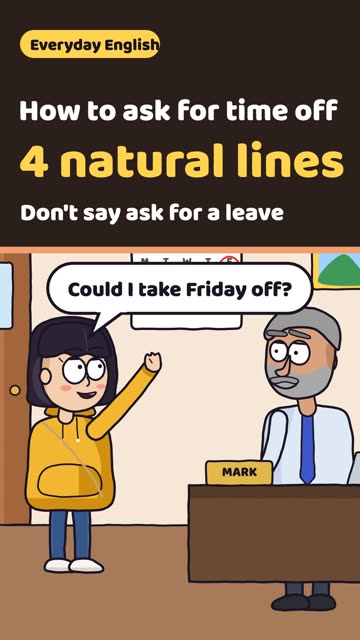
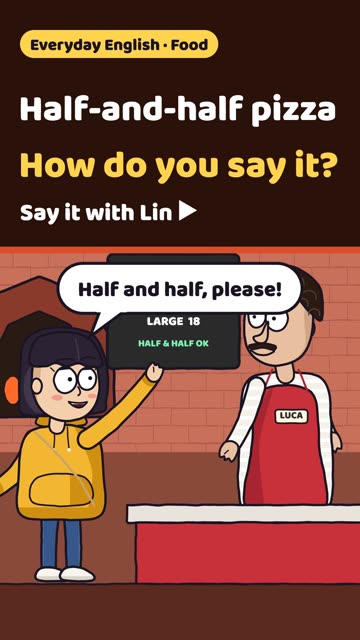
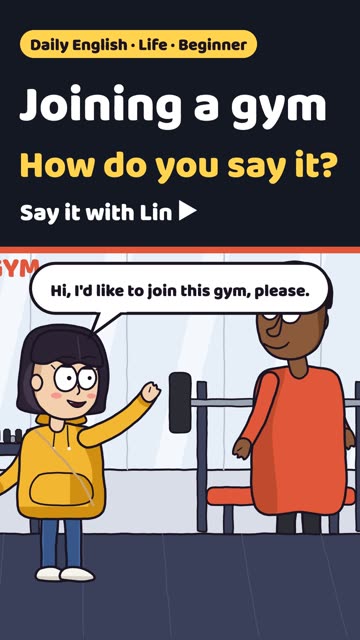
Practise it in “Getting a table at a restaurant”In 12 of Lin's scenes
Real lines from the scenes. Open one to watch it and say it yourself.
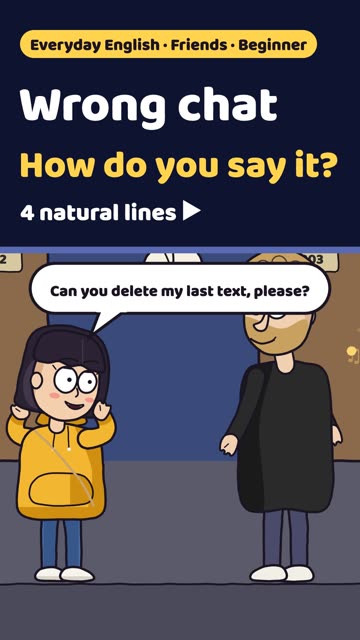
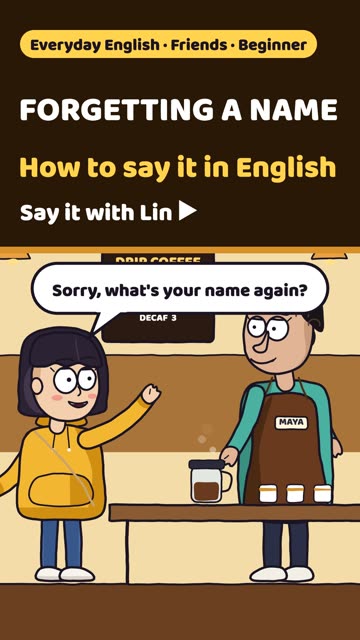
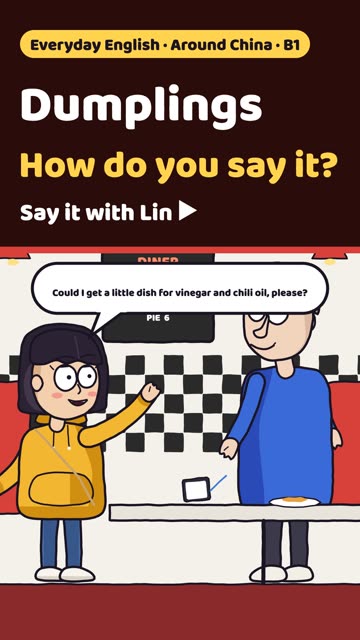
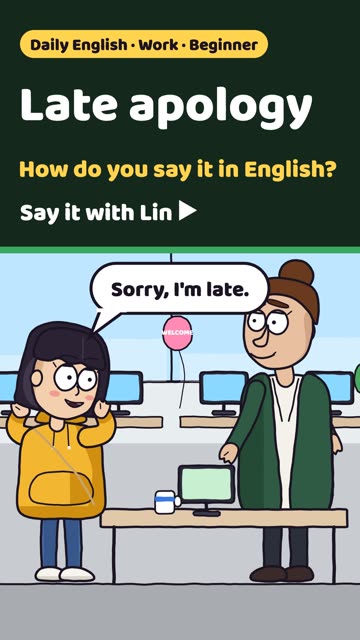
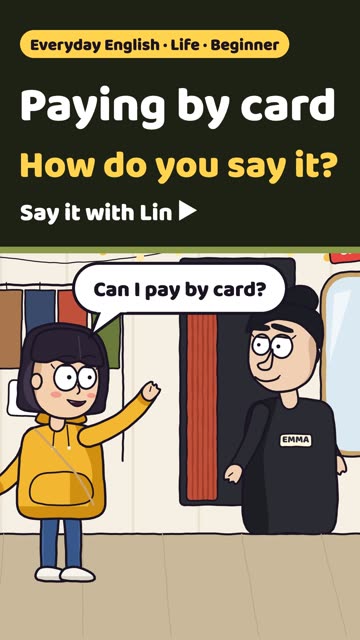

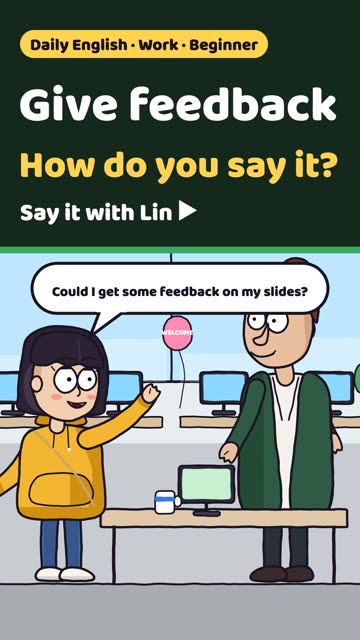
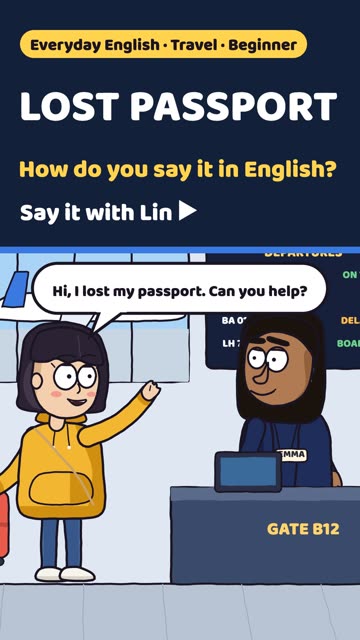
Shadow
Line by line
Ask Lin about “that's fine / that's okay”
Other ways to say it
More casual. Very common after thanks or apologies.
More reassuring. Good when you want the other person to relax.
Good for accepting a request or a plan, but not for comforting someone.
Quick answers
What is the difference between "that's fine" and "that's okay"?
They are often very close in meaning. "That's fine" is often about accepting a plan or result, while "that's okay" or "it's okay" is very common for reassuring someone after a small problem.
Can I say "that's fine" after someone says sorry?
Yes, but tone matters. "That's okay," "it's okay," or "no worries" often sound warmer and more natural.