Ir al horario de atención de un profesor en inglés
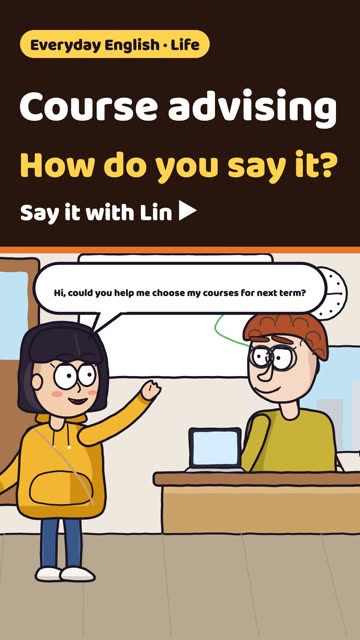
Inglés de todos los días para ir al horario de atención de un profesor. Frase clave: “Hi, do you have a minute to go over this problem?”
Guion completo
Ir al horario de atención de un profesor: cómo es de verdad
Vas a office hours porque un problema no te está quedando claro. Vas a aprender a pedir ayuda, decir qué parte te confunde y hacer que alguien te lo explique paso a paso.
Intermedio Esta versión se centra en el habla cotidiana de estudiantes y en cómo pedir ayuda paso a paso.
Cómo funcionan office hours
En office hours, los estudiantes suelen llevar una pregunta clara y pedir ayuda enseguida. Sé educado, pero directo. Di qué problema y qué paso te confunden, y el profesor sabrá por dónde empezar.
Por qué estas frases suenan naturales
“Do you have a minute to go over this problem?” suena natural porque es amable y específica. “Could you walk me through...?” también funciona bien, porque pide ayuda paso a paso sin sonar demasiado fuerte.
Error común del estudiante
Un error común es traducir demasiado literal y sonar rígido. “I don't get question three” suena más natural aquí que una frase muy formal como “I do not understand the third question,” y “Could you walk me through this?” es mejor que solo “Explain.”
El mismo momento en tres niveles
Lo que Lin dice primero en cada versión. Elige la que te parezca un poco difícil.
Chequeo rápido
1Dicen: “Sure, that's what office hours are for—what's tripping you up?” ¿Qué dices tú?
Esa es la frase de Lin en la escena.
2Dicen: “Of course. First, plug in the value, then simplify slowly.” ¿Qué dices tú?
Esa es la frase de Lin en la escena.
Cada frase de la escena, en inglés
¿Cómo se dice «Hola, ¿tienes un minuto para repasar este problema» en inglés?
Puedes decir: Hi, do you have a minute to go over this problem?
Lin pide un momento con mucha cortesía; así suena más suave que pedir ayuda de frente.
¿Qué significa «Sure, that's what office hours are for—what's tripping you up?» y cómo responder?
Significa «Claro, para eso es el horario de atención. ¿Qué es lo que te está trabando». Puedes responder: I understand the first step, then my brain just leaves.
El profesor habla cercano y casual; esa pregunta sirve para detectar exactamente dónde te atascaste.
¿Cómo se dice «Entiendo el primer paso, y luego mi cerebro se va» en inglés?
Puedes decir: I understand the first step, then my brain just leaves.
Lin usa una imagen graciosa para decir que se bloquea, en vez de hablar seco.
¿Qué significa «It doesn't leave; it just needs a map from step one» y cómo responder?
Significa «No se va; solo necesita un mapa desde el paso uno». Puedes responder: Could you walk me through how you got this part?
El profesor corrige con suavidad y luego da un método claro, así suena alentador.
¿Cómo se dice «¿Podrías explicarme paso a paso cómo llegaste a esta parte» en inglés?
Puedes decir: Could you walk me through how you got this part?
Lin pide una explicación paso a paso; es una forma muy natural y educada de pedir ayuda.
¿Qué significa «Of course. First, plug in the value, then simplify slowly» y cómo responder?
Significa «Claro. Primero, sustituye el valor y luego simplifica despacio». Puedes responder: Okay, that actually makes sense. My brain's back now.
El profesor ordena los pasos con 'first' y 'then' para que sea fácil seguirlos.
¿Cómo se dice «Vale, ahora sí tiene sentido. Mi cerebro ya volvió» en inglés?
Puedes decir: Okay, that actually makes sense. My brain's back now.
Lin suena aliviada y un poco bromista; 'actually' marca sorpresa porque por fin le hizo clic.
¿Qué significa «Great—tell it to stay for the next question, too» y cómo responder?
Significa «Genial; dile que se quede también para la siguiente pregunta». Puedes responder:
El profesor cierra con un chiste para mantener el ambiente ligero y cercano.
Expresiones útiles de esta escena
¿Cómo se dice «¿tienes un minuto» en inglés?
do you have a minute
Hi, do you have a minute to go over this problem?
¿Cómo se dice «repasar este problema» en inglés?
go over this problem
Hi, do you have a minute to go over this problem?
¿Cómo se dice «horario de tutoría» en inglés?
office hours
Sure, that's what office hours are for—what's tripping you up?
¿Cómo se dice «¿qué te está trabando» en inglés?
what's tripping you up
Sure, that's what office hours are for—what's tripping you up?
¿Cómo se dice «el primer paso» en inglés?
the first step
I understand the first step, then my brain just leaves.
¿Cómo se dice «se me va la cabeza» en inglés?
my brain just leaves
I understand the first step, then my brain just leaves.
¿Cómo se dice «necesita una guía» en inglés?
needs a map
It doesn't leave; it just needs a map from step one.
¿Cómo se dice «paso uno» en inglés?
step one
It doesn't leave; it just needs a map from step one.
¿Cómo se dice «explícame paso a paso» en inglés?
walk me through walk me through →
Could you walk me through how you got this part?
¿Cómo se dice «cómo sacaste esta parte» en inglés?
how you got this part
Could you walk me through how you got this part?
¿Cómo se dice «sustituye el valor» en inglés?
plug in the value
Of course. First, plug in the value, then simplify slowly.
¿Cómo se dice «simplifica despacio» en inglés?
simplify slowly
Of course. First, plug in the value, then simplify slowly.
¿Cómo se dice «eso sí tiene sentido» en inglés?
that actually makes sense
Okay, that actually makes sense. My brain's back now.
¿Cómo se dice «mi cerebro volvió» en inglés?
My brain's back now
Okay, that actually makes sense. My brain's back now.
¿Cómo se dice «quédate para la siguiente pregunta» en inglés?
stay for the next question
Great—tell it to stay for the next question, too.
¿Cómo se dice «también» en inglés?
too
Great—tell it to stay for the next question, too.
Errores comunes aquí
Otras formas en que te lo pueden decir
claro, encantado de ayudar
≈ Sure, that's what office hours are for—what's tripping you up?
primero sustituye el valor y luego simplifica
≈ Of course. First, plug in the value, then simplify slowly.
genial, ten eso en cuenta para la siguiente
≈ Great—tell it to stay for the next question, too.
Frases clave
Las líneas que vale la pena guardar. Léelas una vez antes de salir.
Forma educada de preguntar por un problema
go over = revisarlo juntos
Pregunta qué parte es difícil
Común en el habla para decir que te quedaste atorado
Pedirle a alguien que lo explique paso por paso
Natural para pedir ayuda paso a paso
Úsalo cuando por fin queda claro
actually = en realidad / de verdad
Frases comunes en esta escena
Frases de esta escena, y otras formas de decirlas
Respuestas rápidas
¿Cómo le pido al profesor unos minutos para revisar un problema?
Di: "Hi, do you have a minute to go over this problem?" Tip: úsalo al empezar la conversación.
¿Cómo digo que me atoré en un paso?
Puedes decir: "What's tripping you up?" y luego explicar qué parte no entiendes. Tip: es una frase muy natural.
¿Cómo le pido que me explique paso a paso?
Di: "Could you walk me through how you got this part?" Tip: "walk me through" significa explicármelo paso a paso.
¿Cómo digo que ahora sí entendí?
Di: "That actually makes sense." Tip: suena natural y amable cuando por fin entiendes.
¿Y si en mi caso cambian el nombre o el problema?
La frase exacta que puedes copiar sigue siendo "Hi, do you have a minute to go over this problem?"