Cómo hablar de la música que te gusta en inglés
Inglés cotidiano para hablar de la música que te gusta. Frase clave: “What kind of music are you into?”
Guion completo
Hablando de la música que te gusta: cómo es de verdad
Esta escena es una charla casual sobre gustos musicales. Puedes aprender a preguntar qué le gusta a alguien y a responder con tu propio estilo.
Intermedio Esta versión se centra en una charla cotidiana y en frases más naturales.
Basta con una charla breve
La gente suele empezar con géneros amplios como pop, rock, jazz o indie. En inglés casual, no necesitas una explicación larga de inmediato.
Por qué estas frases suenan naturales
“What kind of music are you into?” suena más natural que una pregunta literal palabra por palabra. “I’m really into...” y “I mostly listen to...” son comunes porque suenan fluidas y amables.
El error común
Muchos estudiantes dicen algo como “I very like music” o traducen demasiado de cerca. Una mejor forma es “I like pop and rock” o “I’m into pop music,” que suena más natural y relajada.
El mismo momento en tres niveles
Lo que Lin dice primero en cada versión. Elige la que te parezca un poco difícil.
Chequeo rápido
1Dicen: “I’m really into indie rock and a little jazz.” ¿Qué dices tú?
Esa es la frase de Lin en la escena.
2Dicen: “Exactly. I don’t even have a breakup, just excellent timing.” ¿Qué dices tú?
Esa es la frase de Lin en la escena.
Cada frase de la escena, en inglés
¿Cómo se dice «¿Qué tipo de música te gusta» en inglés?
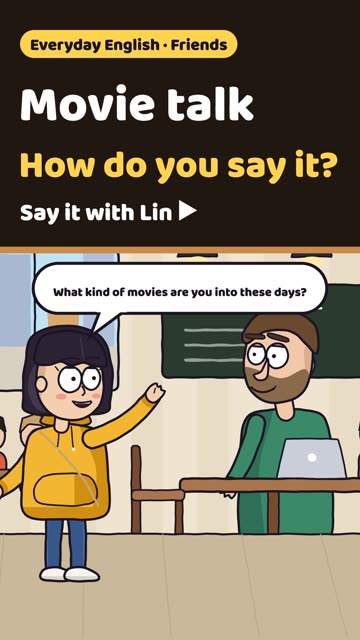
Puedes decir: What kind of music are you into?
Lin pregunta de forma casual para abrir el tema con calma y sonar cercana.
¿Qué significa «I’m really into indie rock and a little jazz» y cómo responder?
Significa «Soy muy fan del indie rock y un poco del jazz». Puedes responder: Nice, I mostly listen to pop on my way home.
"I'm really into" muestra mucho gusto, y suma otro estilo con "and" sin sonar rígido.
¿Cómo se dice «Qué bien, yo sobre todo escucho pop camino a casa» en inglés?
Puedes decir: Nice, I mostly listen to pop on my way home.
Lin responde con "Nice" y añade cuándo escucha pop, algo muy natural en conversación.
¿Qué significa «Same here, but my playlist turns sad after midnight» y cómo responder?
Significa «Yo igual, pero después de medianoche mi lista se pone triste». Puedes responder: Mine too. One breakup song, and I’m staring outside dramatically.
"Same here" muestra acuerdo rápido, y la parte de medianoche suena divertida, no seria.
¿Cómo se dice «La mía también. Con una canción de ruptura, ya estoy mirando por la ventana de forma dramática» en inglés?
Puedes decir: Mine too. One breakup song, and I’m staring outside dramatically.
Lin exagera para hacer gracia, y "Mine too" suena natural y corta.
¿Qué significa «Exactly. I don’t even have a breakup, just excellent timing» y cómo responder?
Significa «Exacto. Ni siquiera tengo una ruptura; solo un timing excelente». Puedes responder: So your music taste is cool, just a little theatrical?
"Exactly" afirma con fuerza, y luego añade un remate gracioso para mantener el tono ligero.
¿Cómo se dice «Entonces tu gusto musical es bueno, ¿solo un poco teatral» en inglés?
Puedes decir: So your music taste is cool, just a little theatrical?
Lin suaviza la broma con "So" y "just", para sonar amable y no cruel.
¿Qué significa «Pretty much. If it rains, my playlist thinks it’s the finale» y cómo responder?
Significa «Más o menos. Si llueve, mi lista cree que es el final». Puedes responder:
"Pretty much" significa "más o menos", y la última imagen exagera para rematar la broma.
Expresiones útiles de esta escena
¿Cómo se dice «gustar la música» en inglés?
music are you into
What kind of music are you into?
¿Cómo se dice «rock indie» en inglés?
indie rock
I’m really into indie rock and a little jazz.
¿Cómo se dice «de camino a casa» en inglés?
on my way home
Nice, I mostly listen to pop on my way home.
¿Cómo se dice «escucho pop casi siempre» en inglés?
mostly listen to pop
Nice, I mostly listen to pop on my way home.
¿Cómo se dice «yo también» en inglés?
Same here same here →
Same here, but my playlist turns sad after midnight.
¿Cómo se dice «mi lista de reproducción» en inglés?
my playlist
Same here, but my playlist turns sad after midnight.
¿Cómo se dice «canción de ruptura» en inglés?
breakup song
Mine too. One breakup song, and I’m staring outside dramatically.
¿Cómo se dice «exacto» en inglés?
Exactly
Exactly. I don’t even have a breakup, just excellent timing.
¿Cómo se dice «muy buen momento» en inglés?
excellent timing
Exactly. I don’t even have a breakup, just excellent timing.
¿Cómo se dice «gustos musicales» en inglés?
music taste
So your music taste is cool, just a little theatrical?
¿Cómo se dice «un poco dramático» en inglés?
a little theatrical
So your music taste is cool, just a little theatrical?
¿Cómo se dice «más o menos» en inglés?
Pretty much pretty much →
Pretty much. If it rains, my playlist thinks it’s the finale.
¿Cómo se dice «el final» en inglés?
the finale
Pretty much. If it rains, my playlist thinks it’s the finale.
Errores comunes aquí
Otras formas en que te lo pueden decir
me gusta mucho el rock indie
≈ I’m really into indie rock and a little jazz.
yo también
≈ Same here, but my playlist turns sad after midnight.
exacto
≈ Exactly. I don’t even have a breakup, just excellent timing.
Frases clave
Las líneas que vale la pena guardar. Léelas una vez antes de salir.
Para preguntar qué música le gusta a alguien
Suena más natural que Do you like?
Para decir lo que de verdad te gusta
Úsalo con música, deportes, etc.
Forma fácil de decir que sí
Va bien cuando sientes lo mismo
Mientras vuelves a casa
Normalmente no se usa "to" antes de home
Frases comunes en esta escena
Respuestas rápidas
¿Cómo pregunto qué música le gusta a alguien?
Di "What kind of music are you into?" Es una forma natural de preguntar por sus gustos musicales.
¿Cómo digo que me gusta un género?
Di "I’m really into indie rock and a little jazz." Cambia los géneros por los tuyos.
¿Cómo digo lo que escucho normalmente?
Di "I mostly listen to pop on my way home." Si quieres, cambia "pop" por tu género.
¿Cómo respondo si yo también?
Di "Same here." Es corto, natural y muy común.
¿Cómo hablo de mi gusto musical de forma casual?
Di "So your music taste is cool, just a little theatrical?" Suena amistoso y un poco juguetón.