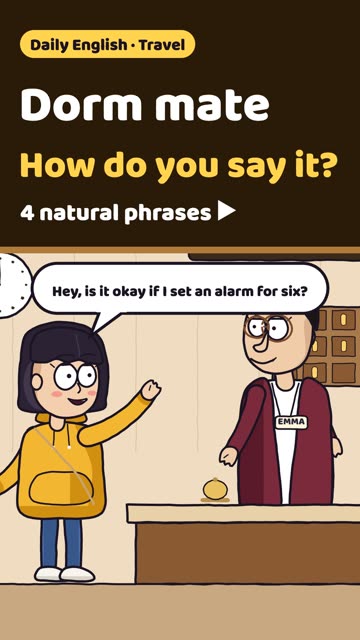
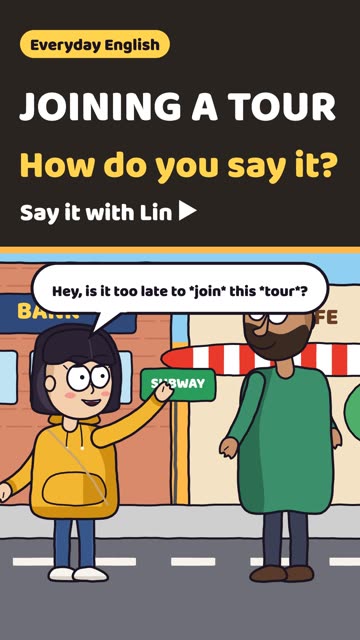
英語でホテルの請求明細の請求額を確認する
ホテルの請求明細の請求額を確認するときの英語です。キーフレーズは “Could you remove it and print a new bill?” です。
全文スクリプト
ホテル請求の確認: 実際の流れ
ホテルの請求書に見覚えのない料金を見つけて、丁寧に確認したい場面です。このあと、項目を指してフロントに訂正をお願いできます。
中級 このバージョンでは、ホテルでの日常会話と、より自然で丁寧な言い方にしぼります。
丁寧に始める
ホテルのフロントでは、いきなり文句を言うより、やわらかくお願いするのが普通です。please や could you を使うと、落ち着いて自然に聞こえます。特にアメリカやイギリスではよく使われます。
この言い方が自然な理由
“I'd like to check this charge, please.” は、やわらかく切り出す言い方です。 “Could you remove it from my bill?” は、はっきりしていて丁寧です。英語では、長い説明をせずに bill と言うことがよくあります。
よくある落とし穴
よくある間違いは、すぐに “You charged me wrong” と言ってしまうことです。これはきつく聞こえることがあります。代わりに “I think there may be a mistake here” や “Could you take another look at this item?” のほうが自然です。
同じ場面を3つのレベルで
各バージョンでLinが最初に言う内容です。少し難しいと感じるものを選んでください。
簡単チェック
1相手は “Sure, which item looks off to you?” と言っています。あなたは何と言いますか?
これはシーンの中のLinのセリフです。
2相手は “I believe you. The room next door had trouble.” と言っています。あなたは何と言いますか?
これはシーンの中のLinのセリフです。
このシーンのセリフを一つずつ英語で
「すみません、この請求額を一緒に確認してもらえますか」は英語で何と言う?
こう言えます: Excuse me, could you go over this charge with me?
Linは丁寧に、請求の一項目を確認したいと言っている。
「Sure, which item looks off to you?」の意味と返し方は?
意味は「はい、どの項目がおかしいですか」。こう返せます: There's a movie charge, but I didn't rent anything.
相手は、どれが変かをやわらかく聞いている。
「映画の料金がありますが、何も借りていません」は英語で何と言う?
こう言えます: There's a movie charge, but I didn't rent anything.
Linは、請求と自分の行動が合わないと、はっきり言っている。
「Let me check... It says 'Late Night Sharks 4.'」の意味と返し方は?
意味は「確認します……『Late Night Sharks 4』となっています」。こう返せます: Wow, not me. Unless my pillow has great taste.
相手は記録を確認して、項目名をそのまま言っている。
「違いますよ。枕のほうがよほど趣味がいいみたいです」は英語で何と言う?
こう言えます: Wow, not me. Unless my pillow has great taste.
Linは軽く冗談にして、強く否定しすぎないようにしている。
「I believe you. The room next door had trouble」の意味と返し方は?
意味は「おっしゃる通りです。隣の部屋でトラブルがありました」。こう返せます: Could you remove it and print a new bill?
相手はLinを安心させて、責めずに理由だけ短く説明している。
「それを削除して、新しい請求書を印刷してもらえますか」は英語で何と言う?
こう言えます: Could you remove it and print a new bill?
Linは命令にせず、Could youでやわらかく頼んでいる。
「Of course—and I'll keep an eye on that pillow」の意味と返し方は?
意味は「もちろんです。あの枕にも目を光らせておきます」。こう返せます:
相手は了承し、少し冗談を添えて雰囲気を和らげている。
このシーンで使える表現
「この料金を確認する」は英語で何と言う?
go over this charge
Excuse me, could you go over this charge with me?
「〜してもらえますか」は英語で何と言う?
could you
Excuse me, could you go over this charge with me?
「おかしく見える」は英語で何と言う?
looks off
Sure, which item looks off to you?
「どの項目」は英語で何と言う?
which item
Sure, which item looks off to you?
「映画代がある」は英語で何と言う?
There's a movie charge
There's a movie charge, but I didn't rent anything.
「何も借りていない」は英語で何と言う?
I didn't rent anything
There's a movie charge, but I didn't rent anything.
「と書いてある」は英語で何と言う?
It says
Let me check... It says 'Late Night Sharks 4.'
「私じゃない」は英語で何と言う?
Not me
Wow, not me. Unless my pillow has great taste.
「私の枕がすごく趣味いい」は英語で何と言う?
my pillow has great taste
Wow, not me. Unless my pillow has great taste.
「信じるよ」は英語で何と言う?
I believe you
I believe you. The room next door had trouble.
「隣の部屋」は英語で何と言う?
next door
I believe you. The room next door had trouble.
「それを消す」は英語で何と言う?
remove it
Could you remove it and print a new bill?
「新しい請求書を印刷する」は英語で何と言う?
print a new bill
Could you remove it and print a new bill?
「目を離さず見る」は英語で何と言う?
keep an eye on
Of course—and I'll keep an eye on that pillow.
ここでよくある間違い
相手はこうも言うかも
どれがおかしそう?
≈ Sure, which item looks off to you?
ちょっと見せてください。
≈ Let me check... It says 'Late Night Sharks 4.'
新しいのを印刷します。
≈ Of course—and I'll keep an eye on that pillow.
重要フレーズ
覚えておきたい表現です。出かける前に一度読んでおきましょう。
この請求額を見直すときに使います
go over = check
正しくないときに使います
off = not right
自分ではないと否定するときに使います
Natural denial
再印刷してもらうときに使います
bill = hotel bill
この場面のよく使うフレーズ
このシーンのフレーズと、ほかの言い方
よくある質問
ホテルの請求を確認してほしいとき、英語でどう言う?
Say: "Excuse me, could you go over this charge with me?" Tip: the phrase is polite and works well at the front desk.
映画代がついているけど自分は借りていない、と言うには?
Say: "There's a movie charge, but I didn't rent anything." Tip: say this when you see a charge you didn't use.
この項目はおかしい、と言いたいときは?
Say: "Sure, which item looks off to you?" Tip: "looks off" means it seems wrong or suspicious.
料金を消して新しい請求書を印刷してほしいと言うには?
Say: "Could you remove it and print a new bill?" Tip: this is a natural, polite request.
“Not me”はどういう意味で、どんな時に言いますか?
“Not me.”:自分ではないと否定するときに使います。Natural denial。