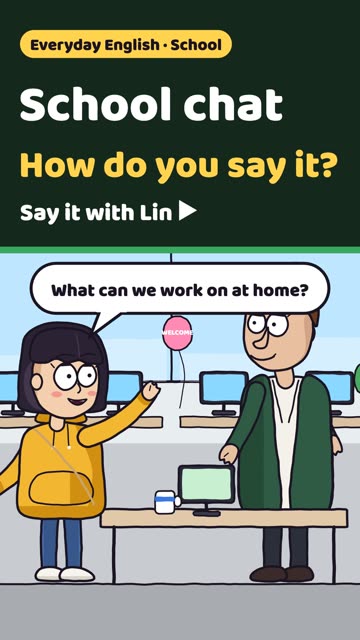
Introducing two friends to each other in English
Everyday English for introducing two friends to each other. Key line: “Sarah, can I introduce you to my friend Alex?”
Full script
Introducing two friends to each other: how it really goes
This scene is about bringing two friends together for the first time. You will learn how to start the intro and help them talk comfortably.
Intermediate This version focuses on everyday small talk after the intro.
Ask first, then introduce
“Can I introduce you to my friend Alex?” sounds polite and natural. People often do this before the actual intro, especially when everyone is standing together or joining a group.
Simple intro lines work
“This is Alex.” and “Alex, this is Emma.” are the usual lines. English speakers keep it short, and the order depends on who you are speaking to first.
Watch the common trap
A common mistake is making the intro sound too heavy or too direct, like a word-for-word translation from Chinese. A better version is short and warm: “This is Lily.” Then let the other person answer with “Nice to meet you.”
The same moment at three levels
What Lin says first in each version. Pick the one that feels a little hard.
Quick check
1They say: “Of course—hi, Alex. Anyone Lin likes must be fun.” What do you say?
That's Lin's line in the scene.
2They say: “Confused dumplings still taste good. That's what really matters.” What do you say?
That's Lin's line in the scene.
How to respond, line by line
When do you say “Sarah, can I introduce you to my friend Alex?”
Sarah, can I introduce you to my friend Alex?
Lin is making the introduction in a polite way, so she asks first instead of just saying Alex's name.
How do you respond to “Of course—hi, Alex. Anyone Lin likes must be fun”?
Lin answers: This is Alex. We met at a dumpling class.
The reply is warm and welcoming, and it adds a friendly comment to make the new person feel at ease.
How do you respond to “Nice to meet you. So, who's better at folding?”
Lin answers: Honestly, Alex wins. My dumplings always look slightly confused.
This is a natural follow-up question, and it sounds playful because the speaker turns a small detail into a joke.
How do you respond to “Confused dumplings still taste good. That's what really matters”?
Lin answers: Exactly. And Sarah gives the best book tips in town.
The speaker reassures Lin, and the short sentence after it gives the main point in a friendly, casual way.
Useful phrases from this scene
What does “introduce you to” mean?
present you to someone.
Sarah, can I introduce you to my friend Alex?
What does “my friend” mean?
my friend.
Sarah, can I introduce you to my friend Alex?
What does “must be fun” mean?
is probably fun.
Of course—hi, Alex. Anyone Lin likes must be fun.
What does “This is Alex” mean?
This is Alex.
This is Alex. We met at a dumpling class.
What does “We met at” mean?
We met at.
This is Alex. We met at a dumpling class.
What does “Nice to meet you” mean?
Nice to meet you. nice to meet you →
Nice to meet you. So, who's better at folding?
What does “better at folding” mean?
more skilled at folding.
Nice to meet you. So, who's better at folding?
What does “Honestly” mean?
Honestly.
Honestly, Alex wins. My dumplings always look slightly confused.
What does “wins” mean?
is better / wins.
Honestly, Alex wins. My dumplings always look slightly confused.
What does “That's what really matters” mean?
That is the important part.
Confused dumplings still taste good. That's what really matters.
What does “taste good” mean?
be tasty.
Confused dumplings still taste good. That's what really matters.
What does “Exactly” mean?
Exactly.
Exactly. And Sarah gives the best book tips in town.
What does “in town” mean?
in this place / here.
Exactly. And Sarah gives the best book tips in town.
What does “we're set” mean?
we're all set.
Then we're set—books for me, dumplings for Alex, and napkins for you.
What does “for you” mean?
for you.
Then we're set—books for me, dumplings for Alex, and napkins for you.
Common mistakes here
Other ways they might say it
≈ Of course—hi, Alex. Anyone Lin likes must be fun.
≈ This is Alex. We met at a dumpling class.
≈ Confused dumplings still taste good. That's what really matters.
Key phrases
The lines worth keeping. Read them once before you go out.
Polite way to introduce Alex to someone
Use this when introducing two people
Simple in-person introduction
Most natural when people are together
Polite phrase for meeting someone new
Don't miss "to"
Use this to stress the main point
Natural way to highlight the point
Common phrases in this scene
Quick answers
How do I introduce my friend to someone else?
Say: "Can I introduce you to my friend Alex?"
How do I present the two people?
Say: "This is Alex." Then let them say hello.
What do I say when meeting the new person?
Say: "Nice to meet you." It is the standard first greeting.
How do I reply when someone says I'm nice to meet you?
You can simply say: "Nice to meet you." Keep it friendly and short.
How do I say that something is the most important thing?
Say: "That's what really matters." Use it when you want to say the main point is enough.