Telling your manager you have too much work in English
Everyday English for telling your manager you have too much work. Key line: “Could we move one project, or let someone help me?”
Full script
Telling your manager you have too much work: how it really goes
You are telling your manager that your plate is full and you need help sorting it out. After this, you can say you are overloaded and ask to move some work.
Intermediate This version focuses on everyday office talk and softer ways to ask for changes.
Start with a soft check-in
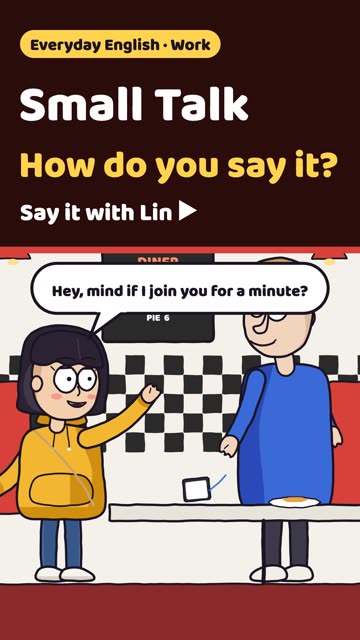
In many offices, a quick “Do you have a minute?” sounds polite before you bring up a problem. People usually expect you to explain what is on your plate and then talk about what can wait or be shared.
Why these lines sound natural
“I’m swamped this week” is a very normal way to say you have too much to do. “Which tasks are the most urgent right now?” and “Could we move one project?” sound calm and work focused. Native speakers often use short, simple words here, not long formal ones.
The common trap
A learner may say, “I cannot finish all my work, please give me less.” That can sound stiff or too direct. A better line is, “I’m feeling overloaded right now. Could we move one project?” It sounds more natural and easier for your manager to answer.
The same moment at three levels
What Lin says first in each version. Pick the one that feels a little hard.
Quick check
1They say: “Sure, what's going on? You look a little stressed.” What do you say?
That's Lin's line in the scene.
2They say: “Yes, I'll shift the report, and Mia can jump in.” What do you say?
That's Lin's line in the scene.
How to respond, line by line
When do you say “Emma, do you have a minute? I'm swamped this week”?
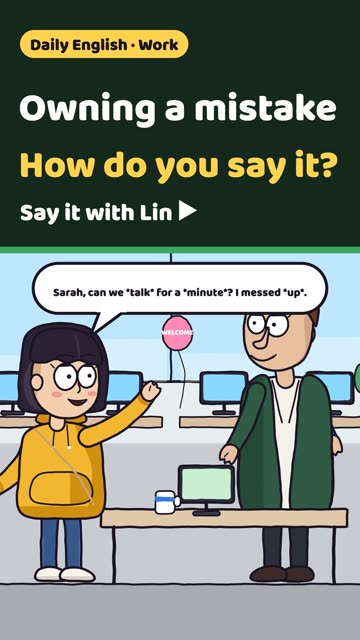
Emma, do you have a minute? I'm swamped this week.
Lin opens gently and says she is overwhelmed, not just busy, so the manager hears the pressure.
How do you respond to “Sure, what's going on? You look a little stressed”?
Lin answers: I've got three deadlines, and my inbox won't stop growing.
The other person answers casually and checks the mood, which makes the conversation feel safe.
How do you respond to “Okay, which tasks are the most urgent right now?”
Lin answers: Could we move one project, or let someone help me?
The manager asks for priorities instead of blaming, which is the calm work style learners should copy.
How do you respond to “Yes, I'll shift the report, and Mia can jump in”?
Lin answers: That would really help. My to-do list is multiplying.
The manager agrees and names the concrete fix, which makes the support feel real.
Useful phrases from this scene
What does “Do you have a minute?” mean?
Do you have a minute.
Emma, do you have a minute? I'm swamped this week.
What does “I'm swamped this week” mean?
very busy and overloaded this week.
Emma, do you have a minute? I'm swamped this week.
What does “what's going on?” mean?
what happened / what's up.
Sure, what's going on? You look a little stressed.
What does “You look a little stressed” mean?
you seem a bit stressed.
Sure, what's going on? You look a little stressed.
What does “I've got three deadlines” mean?
I have three deadlines.
I've got three deadlines, and my inbox won't stop growing.
What does “my inbox won't stop growing” mean?
my email keeps piling up.
I've got three deadlines, and my inbox won't stop growing.
What does “which tasks” mean?
which jobs / tasks.
Okay, which tasks are the most urgent right now?
What does “most urgent right now” mean?
most urgent at the moment.
Okay, which tasks are the most urgent right now?
What does “move one project” mean?
reschedule one project.
Could we move one project, or let someone help me?
What does “let someone help me” mean?
allow someone to help me.
Could we move one project, or let someone help me?
What does “I'll shift the report” mean?
I'll reschedule the report.
Yes, I'll shift the report, and Mia can jump in.
What does “Mia can jump in” mean?
Mia can help right away.
Yes, I'll shift the report, and Mia can jump in.
What does “That would really help” mean?
That would help a lot.
That would really help. My to-do list is multiplying.
What does “My to-do list” mean?
my task list.
That would really help. My to-do list is multiplying.
What does “let's stop it” mean?
let's make it stop.
Let's stop it before it starts asking for snacks.
What does “asking for snacks” mean?
wanting snacks.
Let's stop it before it starts asking for snacks.
Common mistakes here
Other ways they might say it
≈ Sure, what's going on? You look a little stressed.
≈ Okay, which tasks are the most urgent right now?
≈ Yes, I'll shift the report, and Mia can jump in.
Key phrases
The lines worth keeping. Read them once before you go out.
Ask to talk
Polite opener, not really 1 min
Busy all week
Common: work is piling up
Ask priorities
Start with priorities
ask to delay one
Give an idea too
Common phrases in this scene
Quick answers
How do I start the conversation with my manager?
Say, "Do you have a minute?" It’s a simple, polite way to ask for a quick chat.
How do I say I have too much work this week?
Say, "I'm swamped this week." Use it when you are very busy and need help.
How do I ask which tasks matter most?
Say, "Which tasks are the most urgent right now?" It helps your manager tell you what to do first.
How do I ask to move one project?
Say, "Could we move one project, or let someone help me?" You can ask for your own project name if needed.
How do I say my to-do list is getting worse?
Say, "My to-do list is multiplying." It’s a natural, light way to say the workload keeps growing.